
What indoor baseball drills can be done in small areas?
Yes, many indoor baseball drills can be effectively done in small areas. As a coach who understands the challenges of limited indoor space due to weather or facility availability, I can recommend several effective drills. Let's assume you have a small indoor space to work with, and we can explore options to make the most of your practice time.
Indoor baseball drills for small areas can be effectively conducted using lighter-weight, regulation-size balls like Wiffle balls, rag balls, foam balls, or even taped sweat socks. This method allows coaches to perform standard hitting, fielding, catching, and throwing drills in confined indoor spaces without causing damage. Coaches should adapt typical drills and utilize basic equipment such as a batting tee and a catch net to maximize practice time despite limited space or poor weather.
Thanks,
Don Samson
Dear Don
Coaching in snow country for so many reasons, I understand exactly what you’re going through.
Let’s assume by your question that you do have a small indoor space to work with.
You Need Basic Equipment for Indoor Baseball drills
What we need to have is a bunch of Wiffle balls, rag balls, foam balls, or other lighter-weight but regulation-size balls, so that we can do the normal hitting drills from the batting tee, soft toss, front toss, short toss batting practice in that confined space.
We can do fielding drills from a short distance, emphasizing quick hands and footwork, even utilizing no glove or pancake gloves.
- Both catching and throwing drills can be imagined with partner feeding ground balls as well as quick catch and accurate throws.
- Add the players on their knees to further isolate the upper half does great improvement to throwing drills with some type of light ball in a short area if needed.
My Indoor Baseball Drills Experience
I recall many times having to actually hold practice in a classroom during the early part of the season when the gym was being taken over by the basketball teams while I was trying to get baseball started in Colorado. Used almost every typical drill that you would ever use indoors or out but the type of ball made a huge difference. I will go so far as to tell you that back in the day, I took pairs of sweat socks and rolled them up real tight, and taped them to create a ball that could be hit or thrown in that classroom without doing damage.

So my answer is to get a bunch of light balls of any sort that you can do these drills without tearing things up and go to work just like you normally would. Add a catch net, a batting tee and even splurge on an automatic soft toss machine. In the right situation, you may be able to use official balls but real balls always hold the chance of damage. Moreover, consider incorporating economical baseball sock storage solutions to keep your equipment organized and easily accessible. This will not only help maintain the longevity of your practice gear but also ensure that you’re always ready to hit the field. By prioritizing both quality and practicality in your training setup, you’ll create a productive environment that fosters improvement.
Indoor Baseball Drills Need A Creative Coach With A Creative Mind
This is one more area where real coaching comes in and where you have to be innovative; cleverly outworking your baseball competition.
Kids will get bored more quickly indoors so make sure you approach them and let them know that this is the way they will do better. Preach to them that this is a unique situation and we’re going to be better for it.
This will help your small space workouts & give you the creative direction and improve on!
— Coach AS
Product on sale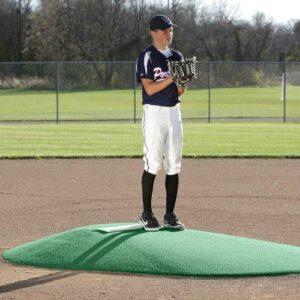 10″ Portable Pitching Mound | 2 Game Sizes | Made In USA QualityPrice range: $4,290.00 through $4,390.00