
TL;DR: Starting a travel baseball team costs between a few hundred and several thousand dollars depending on team size, tournament schedule, and equipment needs. Ongoing costs include travel, coaching, insurance, and player development. You can reduce costs through sponsorships, fundraisers, and smart equipment choices.
Table of Contents
- How Much Does It Cost to Start a Travel Baseball Team?
- How Much Does Travel Baseball Cost Per Season?
- How Much Does Club Baseball Cost?
- How to Start a Travel Baseball Team
- How to Start a Travel Baseball Team With No Money
- What Are Team Registration Fees?
- What Equipment Does a Travel Baseball Team Need?
- How Much Do Field and Facility Rentals Cost?
- What Are the Ongoing Costs of Running a Travel Baseball Team?
- What Are the Best Ways to Fund a Travel Baseball Team?
- Sample Youth Baseball Team Budget
- Quick Recap
- Frequently Asked Questions
How Much Does It Cost to Start a Travel Baseball Team?
Starting a travel baseball team typically costs between $1,000 and $10,000 or more upfront, depending on team size, equipment needs, registration fees, and how many tournaments you plan to enter. A bare-bones program with donated or shared gear can start for less, while a fully equipped team entering multiple premium tournaments will sit at the higher end.
The main startup costs break down into three buckets: registration and sanctioning fees, equipment, and field or facility rentals. Each of these is covered in detail below so you can build a realistic budget before your first practice.
How Much Does Travel Baseball Cost Per Season?
Travel baseball costs families and organizations anywhere from a few hundred dollars to over $5,000 per season per player when you add up tournament entry fees, travel, lodging, meals, uniforms, and individual gear. The total depends heavily on how far you travel, how many tournaments you enter, and what level of competition you target.
Here is a general cost breakdown to give you a realistic picture:
| Cost Category | Low Estimate | High Estimate |
|---|---|---|
| Tournament entry fees (per event) | $200 | $800+ |
| League registration | $100 | $500 |
| Uniforms (per player) | $30 | $100 |
| Equipment (team share per player) | $50 | $300 |
| Travel, lodging, meals (per player per trip) | $100 | $500+ |
| Coaching (per player per season) | $0 | $500+ |
| Insurance | $200 | $600 |
How Much Does Club Baseball Cost?
Club baseball costs families between $500 and $3,000 or more per player per year, covering registration, uniforms, a share of team equipment, tournament fees, and travel expenses. Club programs that compete at elite levels or travel to regional and national tournaments will cost more than local travel teams that stay within driving distance.
The biggest variable is travel. A team that plays within a 90-minute radius spends far less than a team flying to out-of-state showcases. Plan your competition schedule first, then build your budget around it.
How to Start a Travel Baseball Team
To start a travel baseball team, you need to complete five core steps: recruit players, register with a sanctioning body like USSSA, set a budget, gather equipment, and schedule tournaments or leagues. Getting these in order before your first practice saves time and prevents costly mistakes.
Follow this step-by-step checklist:
- Recruit players: Target the age group you want to coach. Hold tryouts or invite players directly.
- Form your coaching staff: Decide whether coaches are paid or volunteer. Make sure everyone has the right background checks.
- Register with a sanctioning body: Organizations like USSSA provide oversight, rule standards, and basic insurance.
- Set your budget: List all startup and ongoing costs. Decide what the team covers versus what each family pays.
- Get your equipment: Prioritize safety and shared team gear first. See the equipment section below for a full list.
- Secure a practice field: Contact your local parks and recreation department, schools, or private facilities.
- Schedule your season: Choose tournaments and leagues that match your team’s age, skill level, and travel budget.
- Set up team finances: Open a dedicated bank account and track all income and expenses from day one.
How to Start a Travel Baseball Team With No Money
You can start a travel baseball team with little or no money by using volunteer coaches, borrowing or sharing equipment, applying for local sponsorships, and choosing free or low-cost public fields for practice. The key is to reduce or eliminate every cost that is not required to actually play.
Here are practical strategies that cost nothing or very little to launch:
- Use parent volunteers as coaches. Many experienced parents will coach for free, especially in the first season.
- Borrow equipment from players. Ask families to supply their own bats, gloves, and helmets. The team only needs to provide shared items like baseballs, a pitching machine, and safety screens.
- Apply for local business sponsorships. Small businesses often sponsor youth teams in exchange for their name on a jersey. Start with businesses owned by team families.
- Use free public fields. Most parks and recreation departments allow teams to reserve fields at no charge or at low cost.
- Run fundraisers before the season starts. Car washes, bake sales, and online campaigns can cover first-season registration fees.
- Start with one tournament. You do not need to fill a full tournament schedule in year one. Enter one or two events to test the waters before committing to more.
- Buy used equipment. Used pitching machines, screens, and batting cages can cut equipment costs by 50 percent or more.
What Are Team Registration and Tournament Fees?
Team registration fees for travel baseball cover your sanctioning body membership and allow you to enter tournaments and leagues legally under a governing organization. Tournament entry fees vary by event level, location, and duration, and they are one of the most flexible costs in your budget.
Key registration costs include:
- Tournament entry fees: Vary by location, competition level, tournament length, and venue quality. Premium tournaments cost more but offer higher-level competition.
- League registration fees: Cover administration, game scheduling, and sometimes partial umpire costs. Some leagues also charge per-player fees.
Decide early how many tournaments you will enter, which leagues you will join, and how long your season will run. These choices shape the largest part of your registration budget.
What Equipment Does a Travel Baseball Team Need?
A travel baseball team needs both individual player gear and shared team equipment, plus training and safety items. Deciding which items the organization supplies versus what each family buys is one of the most important budgeting decisions you will make.
Player Equipment (typically purchased by each family):
- Bats: $30 to $300 each
- Gloves: $20 to $200 each
- Helmets: $20 to $70 each
- Catcher’s gear (helmet, chest protector, shin guards, mitt): $100 to $400 per set
- Cleats: $20 to $120 per pair
Team Equipment (typically supplied by the organization):
- Uniforms (home and away): $30 to $100 per player
- Team bags: $20 to $80 per player
- Baseballs: $15 to $70 per dozen
Training and Safety Equipment:
- Batting tees: $20 to $70
- Pitching machines: $200 to $2,000
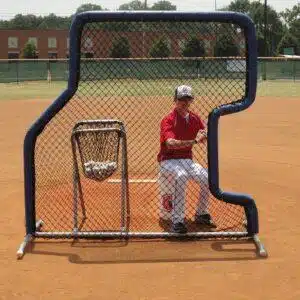
- L-screens: $100 to $300
- First aid kits: $15 to $50
- Conditioning equipment (agility ladders, cones, resistance bands): $30 to $150 total
Track replacement costs over time. Baseballs wear out quickly and pitching machines need maintenance. Budget for these recurring supply costs every season.
Browse equipment categories that can help your team get set up:
- Baseball Field Equipment
- Team Pitching Machines
- Baseball Screens and L-Screens
- Pro Baseball Screens
- Good Batting Screens and Pitching Nets
- Better Batting Screens and Pitcher Nets
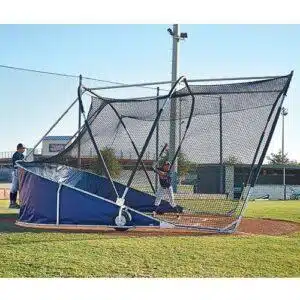
- Portable Baseball Backstops
- Portable Pitching Mounds
- Portable Game Mounds
- Practice Pitching Mounds
- Softball Pitcher Mats
- Home Plates, Bases, and Rubbers
- Bat Racks and Helmet Racks for Dugouts
- Baseball Turf and Batter Mats
- Baseball Foul Poles and Ground Sleeves
- Pro Batting Cages
- Baseball Carts and Base Carts
- Batting Turtles and Batting Cage Accessories
- Batting Turtles Big Bubba Batting Cages
- Big Bubba Parts
- Batting Cage Accessories
- Field Maintenance Equipment
- Baseball Infield Covers and Tarps
- Baseball Field Drags and Infield Groomers
- Baseball Field Chalkers and Templates
- Water Removal Equipment
- Free Shipping Products
- Free Shipping Items
How Much Do Field and Facility Rentals Cost?
Field rental costs for a travel baseball team range from free at public parks to several hundred dollars per session at private or indoor facilities. Your choice of practice location is one of the easiest places to control costs, especially in your first season.
Your options include:
- Public parks: Free or low-cost reservations through your local parks and recreation department. Best for teams on a tight budget.
- School fields: Sometimes available through partnership agreements with local school districts, often at little or no cost.
- Private facilities: Offer better maintenance, lighting, and indoor options. Costs are higher but can be worth it for dedicated year-round practice.
- Indoor training centers: Useful during cold or rainy months. Hourly rates vary widely by market.
What Are the Ongoing Costs of Running a Travel Baseball Team?
The ongoing costs of a travel baseball team include travel expenses, coaching salaries, insurance, administrative costs, and player development programs. These recurring expenses are often higher than your startup costs over the full life of the program.
Travel Expenses
Transportation, lodging, and meals for away tournaments are usually the single largest ongoing cost category. Costs grow fast when tournaments require overnight stays or air travel. Carpooling, block hotel rates, and choosing nearby tournaments in early seasons all help control this expense.
Coaching Salaries
Coaching costs range from zero for all-volunteer staffs to several thousand dollars per season for paid coaches. Paid coaches typically bring more structure and commitment. Many programs start with volunteer coaches and add paid staff as the program grows.
Insurance
Most sanctioning bodies require teams to carry liability insurance. This protects the organization if a player is injured during practice or a game. Budget for this every year without exception.
Administrative Costs
Administrative expenses cover communication tools, scheduling software, website hosting, and any fees tied to managing team finances. These are usually small but add up over a full season.
Player Development Programs
Clinics, private lessons, strength training, and specialized coaching sessions help players improve between tournaments. Some programs build these into their team fee. Others leave them optional for families.
What Are the Best Ways to Fund a Travel Baseball Team?
The best ways to fund a travel baseball team are collecting player participation fees, securing local business sponsorships, running fundraisers, and applying for grants through youth sports organizations. Using more than one funding source makes your program more financially stable.
- Player fees: Each family pays a set amount per season to cover their share of team costs. Keep fees transparent so families understand what they are paying for.
- Sponsorships: Local businesses sponsor teams in exchange for logo placement on jerseys, banners, or your team website. Start with businesses connected to team families.
- Fundraisers: Car washes, online campaigns, discount card sales, and team dinners can raise hundreds to thousands of dollars before your season starts.
- Donations: Community members and former players sometimes donate equipment or money to support youth baseball programs.
- Grants: Some national youth sports organizations and local foundations offer grants to youth athletic programs. Research what is available in your area.
Sample Youth Baseball Team Budget
Building a written budget before your first season helps you avoid surprises and communicate costs clearly to families. The sample below is based on a 12-player team with a moderate tournament schedule.
| Budget Item | Estimated Cost |
|---|---|
| Sanctioning body registration | $100 to $300 |
| Tournament entry fees (5 events) | $1,000 to $3,000 |
| Uniforms (12 players) | $360 to $1,200 |
| Team baseballs | $150 to $400 |
| Pitching machine | $200 to $2,000 |
| L-screens and safety gear | $100 to $300 |
| Field rentals (season) | $0 to $1,000 |
| Coaching (volunteer or paid) | $0 to $3,000 |
| Insurance | $200 to $600 |
| Administrative costs | $50 to $200 |
| Contingency fund (10%) | Varies |
| Total Range | $2,160 to $12,000+ |
Track fixed and variable costs separately. Fixed costs like insurance and registration stay the same regardless of how many games you play. Variable costs like travel and tournament fees go up or down with your schedule. Review your budget monthly and adjust before costs get away from you.
Quick Recap
- Starting a travel baseball team costs between $1,000 and $10,000 or more upfront.
- Ongoing per-player costs range from a few hundred to over $3,000 per season depending on travel distance and tournament level.
- Registration fees, equipment, and field rentals are the three main startup expenses.
- Travel, coaching, insurance, and player development are the main ongoing costs.
- You can start with little money using volunteer coaches, borrowed equipment, public fields, and sponsorships.
- Use multiple funding sources: player fees, sponsorships, fundraisers, and donations.
- Always build in a contingency fund of at least 10 percent of your total budget.
- Review your budget regularly throughout the season and adjust before overspending occurs.
- The goal is a program that is both competitive and financially accessible for every family involved.
Frequently Asked Questions
How much does it cost to start a travel baseball team?
Starting a travel baseball team costs between $1,000 and $10,000 or more depending on team size, equipment purchases, registration fees, and how many tournaments you plan to enter. A lean program using volunteer coaches and shared equipment can start for significantly less.
How much is travel ball baseball per season?
Travel ball baseball costs families anywhere from a few hundred dollars to more than $3,000 per player per season. The total depends on how far you travel, how many tournaments you enter, and what the team covers versus what each family pays out of pocket.
How expensive is travel baseball compared to recreational league baseball?
Travel baseball is significantly more expensive than recreational league baseball. Rec league fees often run $50 to $200 per season. Travel baseball regularly runs $500 to $3,000 or more per player per season when you add up tournament fees, travel, uniforms, and equipment.
How do you start a travel ball team with no money?
Start with volunteer coaches, ask families to supply individual gear, use free public fields, secure local business sponsorships, and run pre-season fundraisers. Enter just one or two tournaments in your first year to keep costs manageable while you build a financial base.
What does club baseball cost compared to travel baseball?
Club baseball and travel baseball are often the same thing and carry similar costs. Both range from $500 to $3,000 or more per player per year. Elite club programs that travel to regional and national events sit at the higher end of that range.
How many tournaments should a travel baseball team enter in the first year?
Most new travel baseball teams should enter two to five tournaments in their first season. This keeps costs predictable, gives your team time to develop, and lets you test your budget before committing to a larger schedule in year two.
What is the best way to keep travel baseball costs low?
The best ways to control costs are using volunteer coaches, choosing nearby tournaments to reduce travel expenses, buying used equipment, securing sponsorships to offset fees, and collecting player fees before the season starts so you always have cash on hand.
Ready to equip your team? Browse baseball field equipment, team pitching machines, protective screens, batting cage accessories, and field maintenance equipment to get your program started right. Many items qualify for free shipping, so check the free shipping products page before you order.