# THE COSTS OF STARTING A TRAVEL BASEBALL TEAM
⚾ Travel Baseball Team Costs & Budget Guide
- 💰 Initial Costs: Registration fees, tournament entries, equipment, field rentals, coaching salaries.
- 🏏 Equipment: Bats, gloves, helmets, catcher’s gear, uniforms, baseballs, training & safety items.
- 🏟️ Field Rentals: Public fields, private facilities, or indoor spaces depending on budget & weather.
- 🚗 Ongoing Expenses: Travel (transport, lodging, meals), coaching, insurance, admin, and player development.
- 💡 Funding Options: Sponsorships, donations, fundraisers, and participant fees.
- 📊 Budgeting Tip: Track fixed & variable costs, include contingency funds, and review regularly for long-term sustainability.
- 🏆 Goal: Balance competitive quality with financial accessibility to create a sustainable program.
Table of Contents
⚾ Initial Costs for a Travel Baseball Team
Launching a travel baseball team requires significant upfront investment. Understanding these initial costs is crucial for creating a sustainable program that can thrive long-term. Let’s break down the primary startup expenses when forming your competitive baseball organization.
📝 Team Registration Fees
The financial difference between recreational and competitive baseball largely comes from tournament participation. To compete in most tournaments, your team must register with a recognized sanctioning body like USSSA, which provides oversight, rule standardization, and basic insurance coverage.
Key registration costs include:
Tournament entry fees: Vary by location, competition level, tournament duration, and venue quality. Premium tournaments cost more but offer higher-caliber competition.
League registration fees: Enable participation in leagues, covering administration, game scheduling, and sometimes partial umpire compensation. Some leagues also have per-player fees.
Carefully determine how many tournaments you’ll enter, which leagues to join, and the season duration—these decisions shape your registration budget.
🏏 Travel Baseball Team Equipment
Equipment is a major initial expense. Categorize needs to decide what the organization provides vs. what players supply individually.
Player Equipment:
Bats: $30–300 each
Gloves: $20–200 each
Helmets: $20–70 each
Catcher’s gear (helmet, chest protector, shin guards, mitt): $100–400 per set
Cleats: $20–120 per pair
Team Equipment:
Uniforms (home/away): $30–100 per player
Team bags: $20–80 per player
Baseballs: $15–70 per dozen
Training & Safety Equipment:
Batting tees: $20–70
Pitching machines: $200–2,000
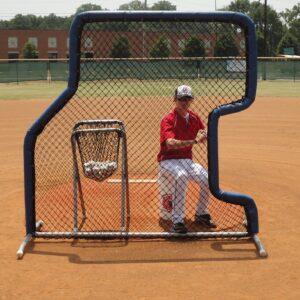
L-screens: $100–300
First aid kits: $15–50
Conditioning equipment (agility ladders, cones, resistance bands): $30–150 total
Clearly define which items the organization provides and track replacement costs over time.
Take a look at our Product Categories to see if we can help with equipment choices.
- Field Maintenance Equipment14 products
- Baseball Infield Covers & Tarps2 products
- Baseball Field Drags & Infield Groomers7 products
- Baseball Field Chalkers & Templates3 products
- Water Removal2 products
- Free Shipping76 products
- Free Shipping Products72 products
- Batting Turtles | Batting Cage Accessories22 products
- Batting Turtles10 products
- Big Bubba Parts1 product
- Batting Cage Accessories10 products
- Baseball Field Equipment35 products
- Baseball Carts & Base Carts4 products
- Portable Pitching Mounds8 products
- Portable Game Mounds & Artificial Pitching Mounds5 products
- Practice Pitching Mounds2 products
- Softball Pitchers Mats1 product
- Home Plates Bases & Carts12 products
- Bat Racks & Helmet Racks3 products
- Turf Batters Mats3 products
- Foul Poles1 product
- Baseball Pitching Machines3 products
- Pro Batting Cage1 product
- Baseball Screens & Backstops34 products
- Our Good Batting Screens | Pitching Net, L Screens & Softball Net7 products
- Our Better Batting Screens L Screens Pitchers Nets13 products
- Our Best Batting Screens & Pro L Screens9 products
- Portable Baseball Backstops13 products
- Permanent Field Backstops3 products
- Sports Hydration | Water Stations | Outdoor Misting Fans14 products
- Water Coolers and Carts5 products
- Sports Outdoor Misting Fans2 products
- Sports Water Stations & Water Wagons9 products
- Aluminum Team Benches5 products
- Aluminum Team Bench With No Back1 product
- Baseball Scorers Tables1 product
- Team Benches with Back1 product
- Team Benches With Top Shelf1 product
- Bullpen Benches & Tennis Benches1 product
🏟️ Field & Facility Rentals
Securing practice and game facilities is variable but necessary. Costs differ by location, quality, and availability:
Free/low-cost options: High school or public fields (may require setup/maintenance by staff).
Premium private facilities: Include amenities like restrooms, lighting, sound systems, and seating.
Indoor facilities: Essential in regions with harsh weather for year-round practice.
Weigh cost against convenience and long-term usability.
🔄 Ongoing Costs for a Travel Baseball Team
Beyond startup costs, recurring expenses require consistent financial planning to maintain program sustainability.
🚗 Travel Expenses
Competitive baseball involves extensive travel, a significant ongoing expense:
Transportation: Charter buses, fuel, maintenance, or parent carpools.
Lodging & meals: Hotels or vacation rentals for multi-day tournaments.
Other travel costs: Team activities, contingency funds, occasional airfare.
Clearly communicate which travel costs are included in participation fees to keep families informed.
👨🏫 Coaching Salaries
Competitive programs often employ paid coaches to provide high-level development:
Head coach
Assistant coaches
Specialized coaches (pitching, hitting, fielding)
Training & development specialists
Compensation varies based on experience, qualifications, and time commitment. Hybrid models with some volunteer support can help manage costs.
🛡️ Insurance
Insurance protects players, staff, and assets:
Liability coverage
Accident insurance
Equipment insurance
Vehicle coverage
Crime insurance
Verify coverage for tournaments, leagues, and facilities. Consult insurance professionals to tailor policies to your program.
🗂️ Administrative Costs
Operational expenses often get overlooked:
Team website (communication, payments, forms)
Background checks
League membership dues
Awards, office supplies, and printing
Communication tools and software
Though individually modest, these costs add up and support smooth program operations.
🏋️ Player Development Programs
Investing in player development sets competitive programs apart:
Specialized coaching & instructors
External clinics and skill-specific camps
Video analysis and performance tracking technology
Nutrition and wellness resources
Regular player evaluations
Structured development programs help athletes grow while increasing program credibility.
💰 Ways to Fund Your Travel Baseball Team
Diversifying revenue keeps fees reasonable while supporting quality:
Sponsorships:
Logo placement on uniforms, equipment, or facilities
Website & social media recognition
Event promotion and special access
Donations:
Optional registration donations
Dedicated donation pages
Booster clubs for larger programs
Fundraisers:
Product sales (discount cards, apparel)
Community events (tournaments, skills competitions)
Online crowdfunding
Choose strategies that engage families and the community while maximizing returns.
📊 Youth Baseball Team Budget Sample
A comprehensive youth baseball team budget ensures long-term stability:
Include fixed expenses (insurance, league fees) and variable costs (tournament entries, travel)
Build contingency allowances for unexpected costs.
Review actual spending against projections regularly.
First-year programs may face higher initial costs but can streamline expenses over time.
🏆 Final Thoughts
Financial planning is key to a sustainable travel baseball program. Prioritize essential expenses first, diversify revenue streams, and maintain transparent communication with families.
With disciplined budgeting, your program can provide competitive opportunities while remaining financially viable for years to come.
If you need help with equipment questions suited for your travel ball program, give us a call. With over 25 years in the business, we can guide you with what you need. We know these products and will recommend the best for your budget.
Call us- 1-800-487-7432 M-F 10-7 EST. We’re here to help!