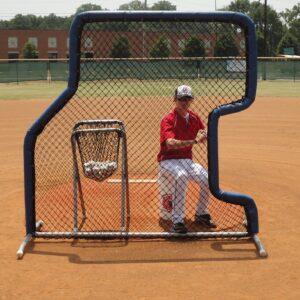
High school baseball programs face a constant challenge: providing quality training equipment while working with limited funding. Coaches know that consistent batting practice makes the difference between a mediocre season and a championship run, but traditional batting cage installations can cost upwards of $15,000 to $30,000. That’s where portable batting cages, commonly called “batting turtles,” change the game completely.
These collapsible practice cages offer high schools a practical solution that doesn’t require permanent construction, extensive site preparation, or ongoing maintenance costs. More importantly, they deliver the same quality practice environment that college and professional teams use, just in a format that fits both your budget and your facility constraints.
BaseballTips has helped hundreds of high school programs find the right portable batting cage solution since 1999. Our team of ex-coaches understands exactly what you’re working with. Let’s talk about portable batting turtles, team benches, field maintenance equipment, and other quality baseball field equipment that fits your program’s needs without emptying your athletic department’s budget.
The Real Cost Problem Facing High School Baseball Programs
Most high school athletic directors allocate between $8,000 and $15,000 annually for their entire baseball program. That budget needs to cover uniforms, balls, bats, field maintenance, travel expenses, and training equipment. When you break down where the money goes, there’s often less than $2,000 available for facility improvements or new equipment purchases.
Traditional permanent batting cage installations create several budget problems:
Installation costs run between $15,000 and $45,000 depending on size and features. You’ll need concrete footings, steel framework, professional installation, and electrical work if you want lighting. That’s an entire year’s budget (or more) gone in one purchase.
Maintenance expenses add up quickly. Nets deteriorate from weather exposure and need replacement every 3-5 years at $800-$1,500 per section. The steel framework rusts and requires painting. Permanent structures also increase your facility insurance costs.
Limited flexibility means you’re stuck with what you built. If your team grows, your practice schedule changes, or you need the space for other sports, you can’t adapt. You’ve invested thousands in something that can’t move or change with your program’s needs.
How Portable Batting Cages Solve the Budget Problem
Portable batting cages flip the economics completely. Instead of spending $20,000-$40,000 on a permanent structure, high schools can get a professional-quality portable batting turtle for $3,890 to $9,900 depending on the model and features they need.
Here’s what makes the financial case so strong:
Lower Initial Investment
A quality portable batting cage costs roughly one-third to one-fifth of a permanent installation. The Big Bubba Batting Cage, which is the most popular model among high schools nationwide, runs $7,250. Compare that to a permanent cage installation at $25,000, and you’ve saved $17,750 that can go toward other program needs like new uniforms, better balls, or field improvements.
Even entry-level models like the Sandlot Portable Backstop at $3,890 provide solid practice value at a fraction of permanent cage costs. For schools with severely limited budgets, this opens up possibilities that wouldn’t exist otherwise.
No Installation or Site Preparation Costs
Permanent cages require concrete work, professional installation, and often electrical hookups. Those “soft costs” can add $5,000-$10,000 to your project before you even get to the cage itself.
Portable batting turtles arrive ready to use. You roll them into position, stake them down, and start practice. No contractors, no permits, no waiting months for construction to finish. One coach and two players can set up most models in under 30 minutes.
Longer Useful Life with Lower Maintenance
We’ve seen high schools use the same portable batting cage for 15+ years with minimal maintenance. The frames are built from galvanized steel or powder-coated aluminum that resists rust. The nets are protected from constant weather exposure because you can collapse the cage when not in use or during harsh weather.
Compare that to permanent cage nets that face year-round weather exposure and deteriorate faster. You might spend $1,200 every 3-4 years replacing sections of permanent cage netting, while a portable cage’s net lasts longer because it’s not constantly exposed to UV rays and precipitation.
Multi-Use Flexibility Increases Value
Here’s something most people don’t think about: portable cages work for more than just baseball. Your softball team can use the same equipment. Some high schools even use batting turtles for lacrosse shooting practice or soccer goalkeeper training during off-seasons.
That multi-sport functionality means your athletic director can potentially split the cost across multiple programs, making it even easier to justify the purchase within your school’s overall athletic budget.
Real Budget Impact: Side-by-Side Comparison
Let’s look at the actual financial difference over a typical 10-year planning period:
| Cost Category | Permanent Cage Installation | Portable Batting Turtle |
|---|---|---|
| Initial Purchase | $25,000 | $7,250 |
| Installation/Site Prep | $8,000 | $0 |
| Year 1 Total | $33,000 | $7,250 |
| Net Replacement (Years 4, 8) | $2,400 | $0 |
| Frame Maintenance (Years 5, 10) | $1,800 | $200 |
| Insurance Impact (10 years) | $1,500 | $0 |
| 10-Year Total Cost | $38,700 | $7,450 |
| Total Savings with Portable | $31,250 |
That $31,250 difference represents serious money for a high school program. That’s enough to:
- Replace your entire uniform inventory three times
- Buy 200 dozen quality practice baseballs
- Purchase a complete set of new batting helmets and catcher’s gear
- Install a quality scoreboard
- Fund three years of tournament entry fees
Choosing the Right Portable Cage for Your Budget
Not every high school needs the most expensive model. We’ve worked with programs across every budget level, and here’s what we typically recommend based on your situation:
Tight Budget Programs ($3,000-$5,000)
If your entire equipment budget for the year is under $5,000, the Sandlot Portable Backstop at $3,890 gives you legitimate batting practice capability. It’s not fancy, but it works reliably and gives your players consistent reps. We’ve sold hundreds of these to small rural schools that just need something functional.
The Budget Outdoor Rolling Batting Cage at $5,200 offers a step up with easier mobility and slightly larger hitting area. Both models will serve a smaller program (15-20 players) effectively for many seasons.
Mid-Range Programs ($5,000-$7,000)
Most high school programs fit here. The D1 Foldable Batting Turtle at $5,700 provides great value with its space-saving fold-up design. Schools with limited storage love this model.
The Singles Hitter Portable Batting Cage at $6,900 works perfectly for schools with narrow gate access or limited practice space. It’s designed specifically for facilities that can’t accommodate wider cages.
Well-Funded Programs ($7,000+)
Larger programs or schools that can allocate more budget should look at the Big Bubba Batting Cage at $7,250 or the Big Bubba Elite at $7,690. These are the models you’ll see at college programs and professional training facilities. They’re built to handle heavy daily use from 30-40 players and last decades.
The Pitch Hunter Express and Pitch Hunter Pro models ($8,200-$9,900) represent the top tier with additional safety features and professional-grade construction. Schools serious about competitive baseball often choose these as long-term investments.
Hidden Budget Benefits You Might Not Consider
Beyond the obvious purchase price differences, portable batting cages create several other financial advantages:
Shared costs with other programs: Some high schools split the purchase between baseball and softball programs since both teams use the same equipment. That immediately cuts your cost in half.
Fundraising appeal: Parents and boosters find it easier to support a $7,000 equipment purchase than a $30,000 construction project. The lower price point makes fundraising campaigns more achievable.
No lost field time: Permanent cage construction can shut down your practice field for weeks. With portable cages, practice continues uninterrupted, and you avoid the hidden cost of renting alternate facilities or limiting practice time.
Resale value: If your program eventually upgrades or your needs change, quality portable batting cages hold value well. You can sell a used unit to a youth league or smaller school and recoup 30-50% of your original investment.
Storm protection: In areas prone to severe weather, permanent structures face damage risk. We’ve seen permanent cages completely destroyed by hurricanes or tornadoes. Portable cages can be moved to protected storage, potentially saving thousands in replacement costs.
Making the Financial Case to Your Administration
When you’re ready to request funding from your athletic director or school board, here’s how to present the strongest case:
Focus on cost per player, per year: A $7,250 batting cage used by 25 players for 10 years costs just $29 per player per year. That’s incredibly cheap for equipment that directly improves performance.
Emphasize versatility: Show how multiple teams can benefit. If three teams (varsity baseball, JV baseball, softball) each practice 80 times per year for 10 years, that’s 2,400 uses. Your cost per use drops to about $3.
Compare to other funding requests: $7,250 is less than many schools spend on band uniforms, stage lighting for theater, or new microscopes for science classes. Athletic equipment deserves equal consideration.
Highlight safety improvements: Quality batting cages reduce injury risk from errant balls during practice. That can help reduce liability concerns and medical costs.
Show the return on investment: Better practice leads to better performance, which increases community interest, boosts attendance, and can generate additional gate revenue and booster support.
Maintenance Costs: Keeping Your Investment Running
One reason portable batting cages save money long-term is their low maintenance requirements. Here’s what you actually need to budget for:
Annual inspection and cleaning takes maybe two hours of coach or equipment manager time. You’re checking for loose bolts, inspecting net integrity, and cleaning dirt or debris. Cost: basically free.
Occasional parts replacement might be needed after 5-7 years of heavy use. A wheel bearing kit runs $75-$120. Replacement net sections (if needed) cost $150-$300. Over 10 years, you might spend $200-$500 total on maintenance parts.
Compare that to permanent cages where full net replacement alone costs $800-$1,500 every few years, plus painting the frame, fixing concrete anchors, and potentially replacing damaged framework sections.
We stock a complete selection of Big Bubba replacement parts for quick repairs. Most parts ship the same day you order them, minimizing any downtime.
Real-World Success Stories from High School Programs
We’ve worked with hundreds of high school programs over the years, and the feedback consistently shows how portable batting cages transform programs operating on tight budgets.
A small high school in rural North Carolina bought a $5,200 portable cage five years ago. Their coach told us it completely changed their practice efficiency. Before the cage, they could only hit live pitching or soft toss because they didn’t have a safe contained space. Now players get 50-75 swings per practice instead of 15-20. Their team batting average jumped 40 points the first season, and they made the playoffs for the first time in eight years.
A suburban Illinois school was facing a choice between buying new uniforms or getting batting practice equipment. They couldn’t afford both. We helped them find a quality used portable cage for $4,800, which freed up enough budget to also purchase uniforms. The coach said it was the first time in his 12 years at the school that they could address two major needs in one season.
An Arizona high school with 45 players on their combined varsity and JV rosters bought a Big Bubba Elite for $7,690 three years ago. They practice in extreme heat, and the cage lets them run efficient batting stations while keeping players out of direct sun exposure between reps. The coach calculated that the improved practice efficiency was worth 10-15 extra practice days per season in terms of actual hitting reps per player.
Beyond the Cage: Building a Complete Program on Budget
Once you’ve solved your batting practice needs with a portable cage, you can start addressing other program needs without breaking the bank. We help high school programs complete their equipment needs by offering quality options across every price range.
Team benches run $800-$2,400 depending on size. We only stock one brand because in 15+ years, we’ve never had a complaint or premature failure. That’s the kind of reliability high school programs need.
Portable pitching mounds cost $600-$1,800 and give pitchers the proper mechanics training they need. Like our batting cages, they require zero installation and last for many seasons.
Field maintenance equipment like drag mats and field groomers help you maintain professional-quality playing surfaces without hiring groundskeeping services. A good field drag starts around $150 and can last a decade.
Protective screens and L-screens range from $259 to $659 and protect coaches during batting practice and pitching workouts. These are essential safety equipment that also happens to be very affordable.
By spreading equipment purchases across 2-3 years and prioritizing based on actual needs, most high school programs can build a complete training facility setup for $12,000-$18,000 total. That’s still less than many schools would spend on just a permanent batting cage installation alone.
Frequently Asked Questions About Portable Batting Cages for High School Programs
How long do portable batting cages actually last?
Quality portable batting cages from reputable manufacturers typically last 15-20 years with proper care. We’ve seen high schools still using the same Big Bubba Batting Cage they bought 18 years ago. The key is choosing cages built with galvanized steel or powder-coated aluminum frames that resist rust and corrosion. The nets last longer than permanent cage nets because you can collapse them during harsh weather or off-season, protecting them from constant UV exposure and precipitation. If you do need replacement parts after years of heavy use, we keep a full inventory of replacement parts available for same-day shipping.
Can portable batting cages handle multiple sports teams using them?
Absolutely. That’s one of their biggest advantages over permanent installations. Most high schools use the same portable cage for both baseball and softball programs, which effectively cuts the per-team cost in half. Some schools even use them for lacrosse shooting practice or soccer goalkeeper training during off-seasons. The Big Bubba Elite and Pitch Hunter models are specifically designed to withstand heavy daily use from 30-40 players across multiple teams. You can schedule different teams throughout the day and week without worrying about wear and tear because these cages are built for exactly that kind of intensive use.
Do portable batting cages require special storage or can they stay outside year-round?
It depends on your climate and the model you choose. In mild climates, many schools leave their portable cages set up throughout the season and simply collapse them during the off-season or severe weather events. In harsher climates with heavy snow or extreme conditions, you’ll want to store them in a garage, shed, or equipment building during winter months. The good news is that most models collapse down to a fairly compact size. The D1 Foldable Batting Turtle specifically addresses storage concerns with its space-saving fold-up design. Schools with very limited storage space often choose this model because it takes up minimal room when not in use. Either way, bringing the cage in during off-season protects your investment and extends its lifespan significantly.
How difficult is it to set up and take down a portable batting cage?
Most portable batting cages can be set up by one coach and two players in 20-30 minutes once you’re familiar with the process. The first setup might take 45 minutes as you figure out the system, but it becomes routine quickly. You roll the cage into position, extend the frame, stake it down for stability, and you’re ready to practice. Taking it down is even faster, usually 15-20 minutes. Models like the Singles Hitter Portable Batting Cage are designed for easy mobility through narrow gates and tight spaces. No special tools are needed beyond what most programs already have in their equipment shed. Compare that to permanent cages which require contractors, concrete work, and potentially weeks of construction time.
What happens if we need repairs or replacement parts years down the road?
This is where buying from an established supplier makes a huge difference. We’ve been in business since 1999 and maintain complete inventories of replacement parts for all the models we sell, including frames, nets, wheels, connectors, and accessories. If your cage needs a new wheel bearing or a replacement net section five or ten years from now, we’ll have it in stock and can ship it the same day you order. We also provide a detailed parts breakdown PDF that helps you identify exactly what you need. If you’re not sure which part to order, just call us at 800-487-7432 and we’ll help you figure it out. Most repairs are simple enough that your equipment manager or maintenance staff can handle them without needing a contractor, which saves even more money over the life of the cage.
What to Do Next
The difference between struggling programs and successful ones often comes down to having the right equipment to practice effectively. Portable batting cages give high school baseball programs professional-quality training capability at a fraction of the cost of permanent installations.
If you’re working with a tight budget, you’re not alone. We talk to coaches every day who are trying to figure out how to do more with less. That’s exactly why we focus on portable equipment that delivers maximum value, why we maintain pricing from low to high so you can see all your options, and why we only stock brands that we know will last.
Whether you’re working with $4,000 or $10,000 for equipment this year, we can help you find the right solution. We’re ex-coaches and ex-players who have been helping programs like yours since 1999.