
Bunting is a very big part of the game of baseball. And when a bunt is laid down the right way, it is very difficult to defend.
Bunting is a fundamental and difficult-to-defend aspect of baseball that can be effectively taught to young players. Marty Schupak, founder of the Youth Sports Club, recommends starting with soft-covered or rag balls for initial practice, as detailed in "The 59 Minute Baseball Practice," before advancing to hardballs. Schupak prefers the pivot bunt technique, which minimizes foot movement and reduces errors. Strategic bunting, such as a sacrifice bunt with a runner on third and less than two outs, can create significant defensive pressure and is nearly unstoppable when executed correctly.
I have always been big on bunting and feel it can be taught at a young age. There are basically two types of bunts: the square bunt and the pivot bunt.
My preference is the pivot bunt because the players just pivot and do not have to lift their feet. Once in a playoff game, I had a player square bunt and he put it down perfectly and beat it out, or we all thought. The only problem was when he lifted his leg and put it down in a different position, it was right on home plate and he was called out.
The best way to teach bunting for the first time is to practice with a soft covered ball or a rag ball (which is described in The 59 Minute Baseball Practice). With the rag balls or a soft-covered ball, there is very little danger of getting hurt and the players can actually pitch to each other. Once they seem confident, move on to a hardball with the coach pitching.
There are many bunting strategies that can be used in a game. My favorite is with less than two out and a runner on third, bunt to the third baseman with the base runner bouncing toward home. When the third baseman releases the ball, the man on third runs home and he must slide. If it is a good bunt and the base runner breaks to home when he should, this is almost unstoppable. This tactic not only puts immense pressure on the defense but also teaches players how to handle pressure in sports. As they practice these plays, they develop the confidence to execute under stressful situations, enhancing their overall performance. Mastering such strategies can turn the tide of a game and make teams formidable competitors.
Remember that youth baseball players can practice bunting at a very young age. Seek out your high school coach to teach the proper technique. Also, make sure your best bunters get a chance to swing away.
Marty Schupak is an active member of the American Baseball Coaches Association. He founded the Youth Sports Club, which is devoted solely to the improvement of youth sports, and his instructional videoson youth baseball are recommended by the National Alliance of Youth Sports, the largest amateur coaching training organization in the country. Schupak has a Master’s Degree in Physical Education from Arizona State University and his youth baseball teams have won championships year after year.
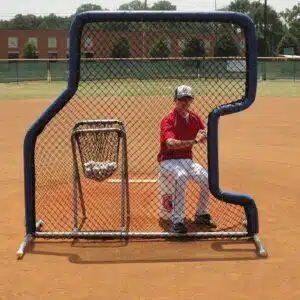
 Softball Pitching Screen | Optional Wheels & PaddingPrice range: $390.00 through $640.00
Product on sale The Original Pitchers Pocket Pitching Target With Team Color Pro Padding!Original price was: $359.00.$324.95Current price is: $324.95.
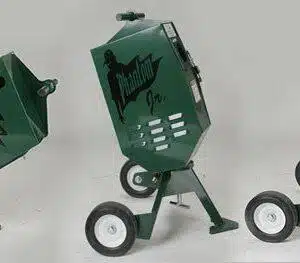
Product on sale Phantom Jr Pitching Machine | Throws Baseballs Softballs & A New Lower Cost!Original price was: $999.00.$799.00Current price is: $799.00.