How long do pro turf mats actually last in high-use environments?
Pro turf mats typically last 4-6 years in high school or college training facilities with daily use during season and moderate off-season use. Commercial batting cage facilities with year-round heavy use can expect 3-5 years. Youth recreational facilities with lighter use often get 6-8 years or more. The key factors are usage intensity, proper maintenance, and whether the mat is installed indoors or outdoors. Our pro turf mats use 5-mil backing and high-grade nylon specifically because we’ve seen these materials consistently deliver multi-year performance under real-world conditions. Standard mats with thin backing and lower-grade materials rarely make it past 12 months in the same environments.
Can batting mats be used outdoors or are they indoor-only products?
Quality pro turf mats work excellently in outdoor applications. The UV-resistant nylon fibers and drainage-capable backing materials handle weather exposure without rapid deterioration. However, standard mats with cheap materials break down very quickly outdoors from sun, rain, and temperature fluctuations. If you’re installing mats outdoors, professional-grade construction isn’t optional, it’s essential. Outdoor mats benefit from slight elevation or positioning that promotes drainage rather than water pooling. Some facilities bring outdoor mats into storage during harsh winter weather to extend their life, but quality mats can remain outside year-round in most climates. Never use standard indoor-only mats in outdoor applications, they’ll fail within weeks.
What’s the best way to clean and maintain batting mats?
Daily maintenance takes just a few minutes and makes a huge difference in mat longevity. After each practice session, use a stiff-bristled push broom to sweep off loose dirt and clay. This prevents material from grinding into the turf fibers. Weekly during heavy use periods, do a more thorough cleaning. For indoor mats, vacuum if available or do a comprehensive brushing. For outdoor mats, hosing them down occasionally washes out embedded dirt and clay. Avoid high-pressure washing which can damage fibers and backing. Never use harsh chemicals, bleach, or solvents. Water and mild soap are sufficient for any cleaning needs. If mats get soaked from rain or washing, let them dry completely before rolling for storage to prevent mold and mildew growth.
Do I need different mats for baseball versus softball applications?
The same pro turf mats work perfectly for both baseball and softball. The forces involved in hitting are similar enough that specialized mats aren’t necessary. Both sports benefit from the same high-grade nylon fibers, thick backing material, and durable construction. Some facilities use different mat colors to distinguish baseball cages from softball cages (green for baseball, clay color for softball, or vice versa), but this is purely aesthetic rather than functional. The 6’x12′ standard size works well for both sports, though some slowpitch softball facilities occasionally use slightly larger mats to accommodate bigger hitters with wider stances. In general, if a mat is good enough for baseball, it’s good enough for softball and vice versa.
How do batting mats compare to just using dirt or clay in the batter’s box?
Natural dirt or clay surfaces require constant maintenance to stay level and safe. You’ll spend significant time dragging, watering, and repacking the surface between uses. In indoor facilities, dirt creates dust and mess that spreads throughout your building. In outdoor cages, weather constantly disrupts the surface, creating ruts, holes, and uneven spots that affect player footing and potentially cause injuries. Pro turf mats eliminate all this maintenance while providing consistently level, safe footing regardless of weather or use patterns. The tradeoff is that mats don’t provide exactly the same feel as natural dirt, though high-quality mats come very close. For training facilities focused on repetition and consistent conditions, mats are almost always the better choice. For game fields, natural surfaces remain standard, but that’s a different application with different maintenance capabilities.
Walk into most batting cages and you’ll see the batter’s box area beaten down to bare dirt or worn concrete. That’s not just ugly, it’s dangerous. Uneven surfaces cause ankle rolls, inconsistent footing throws off swing mechanics, and constant resurfacing eats up maintenance time that coaches should spend actually coaching.
The solution seems simple: throw down some kind of mat. But here’s where most facilities make a costly mistake. They buy standard batting mats because they’re cheaper, then replace them every 6-12 months when they fall apart. That cycle costs more money over time while still giving players an inferior hitting surface.
Professional baseball teams don’t use standard mats. College programs that take training seriously don’t use them either. They use pro-grade turf mats built with materials that can handle the explosive force of a 200-pound hitter taking 100 swings per day. There’s a massive difference in construction quality, and that difference directly impacts both your budget and your players’ training quality.
Quality matters when you’re talking about surfaces that take constant punishment from metal cleats and powerful rotational forces. At BaseballTips, we’ve seen what happens when facilities try to save money with inferior mats. Give us a call at 800-487-7432 and we’ll explain exactly why pro turf batting mats outlast standard options by years while providing better footing and performance for your hitters.
Why Most Standard Batting Mats Fail Quickly
Standard batting mats look fine when they’re new. The problem is, they weren’t designed for the specific stresses that batting practice creates. They’re built to handle foot traffic, not the violent rotational forces and cleat damage that come with hundreds of swings per day.
Thin backing material is the first failure point. Most standard mats use 3-mil or 4-mil backing because it keeps manufacturing costs down. That thin backing tears easily when cleats dig in during a swing. The aggressive pivot and drive that good hitters generate puts tremendous stress on the mat surface. Thin backing simply can’t handle it.
Low-density face weight means fewer turf strands per square inch. Standard mats often use 40-50 ounce face weight to hit a budget price point. When there aren’t enough turf strands packed into the surface, gaps develop quickly. Cleats catch in those gaps and tear out chunks of material. Within months, you’ve got a mat that looks more like a used doormat than a professional training surface.
Lower-grade nylon or polypropylene fibers break down under UV exposure and mechanical stress. Budget mat manufacturers use whatever fiber material is cheapest at the moment. These materials might work fine for decorative purposes, but they weren’t engineered to handle metal cleats grinding into them with every swing. The fibers mat down, tear out, or simply disintegrate over time.
Poor edge binding allows the mat edges to fray and curl up. Standard mats often use basic stitched edges or cheap binding tape that comes loose quickly. Once the edges start fraying, the deterioration accelerates. Players trip on curled edges, and the mat begins unraveling from the perimeter inward.
Inadequate drainage creates water pooling problems. Most standard mats weren’t designed with drainage in mind. When moisture gets trapped in the backing material, it promotes mold growth and causes the backing to separate from the turf fibers. That delamination basically destroys the mat’s structural integrity.
What Makes Pro Turf Mats Different
Professional-grade turf mats cost more upfront because they’re built completely differently. Every component is engineered specifically for high-impact athletic use, not just general foot traffic.
Superior Backing Construction
Pro turf mats use 5-mil or thicker backing material that resists tearing and puncturing from cleats. That extra thickness makes a huge difference in durability. We’ve seen pro mats handle five years of heavy daily use while standard mats with thin backing barely make it through one season.
The backing material itself is higher-grade urethane or rubber-backed material designed for athletic applications. This isn’t the same thin foam backing you find on standard mats. It’s dense, resilient material that maintains its structure under stress and doesn’t break down from moisture exposure.
Reinforced construction throughout the backing layer distributes stress across the entire mat rather than concentrating it at weak points. When a hitter drives off his back foot with maximum force, that energy spreads out across the mat instead of tearing through at a single point.
Higher Face Weight and Fiber Quality
Pro turf mats typically use 60-80 ounce face weight compared to the 40-50 ounce face weight of standard mats. That might not sound like a huge difference, but it means 30-40% more turf fibers packed into every square inch of surface.
More importantly, pro mats use high-grade nylon fibers specifically chosen for durability and resilience. These fibers are engineered to spring back after being compressed by cleats. They resist matting down, maintain their structure through thousands of swings, and don’t break or tear easily.
The fiber height and density are calibrated for athletic use. Pro mats typically have 1-1.5 inch fiber height with dense packing that provides good footing without being so thick that cleats sink in too deeply. Standard mats often use shorter fibers with lower density that wear down quickly to the backing material.
Professional Edge Binding and Finishing
Pro turf mats feature heavy-duty edge binding that’s sewn or heat-sealed with industrial-grade materials. These edges don’t fray, curl, or separate even after years of use. The binding is designed to take direct cleat strikes without failing.
Finished corners prevent peeling and separation. The corners are where standard mats typically start failing first. Pro mats reinforce corners with additional material or specialized construction techniques that prevent the stress concentration that causes corner failures.
Drainage and Moisture Management
Quality pro mats incorporate drainage channels or perforations in the backing material that allow water to pass through rather than pooling on the surface. This keeps the hitting surface dry and prevents the moisture-related deterioration that ruins standard mats.
The materials used in pro mats are mold and mildew resistant by design. Even in humid indoor facilities or outdoor applications, these mats don’t develop the musty smell and bacterial growth that plague cheaper alternatives.
Real-World Performance Comparison
Let’s look at actual performance data comparing pro turf mats to standard batting mats over a typical three-year period:
| Performance Factor | Standard Batting Mat | BaseballTips Pro Turf Mat |
|---|---|---|
| Initial Cost | $120-$180 (6’x12′) | $319-$349 (6’x12′) |
| Backing Thickness | 3-4 mil | 5 mil+ |
| Face Weight | 40-50 oz | 60-80 oz |
| Fiber Material | Mixed grade poly/nylon | High-grade nylon only |
| Expected Lifespan (heavy use) | 6-12 months | 4-6 years |
| Replacement Frequency (3 years) | 3-4 times | 0 times |
| Total 3-Year Cost | $480-$720 | $319-$349 |
| Cleat Resistance | Poor to Fair | Excellent |
| Moisture Resistance | Poor | Excellent |
| Edge Durability | Frays within 3-6 months | Stays intact for years |
| Surface Consistency | Degrades rapidly | Maintains quality |
| Maintenance Required | High (frequent replacement) | Low (occasional cleaning) |
The numbers tell a clear story. Standard mats seem cheaper initially, but replacing them 3-4 times over three years costs $480-$720 total. The pro turf mat at $319-$349 is still going strong after three years and will likely last another 2-3 years beyond that.
Where Each Type Makes Sense
Understanding when to use pro turf mats versus when standard mats might work helps you make smart purchasing decisions across your entire facility.
When Pro Turf Mats Are Essential
Indoor batting cages with heavy daily use absolutely require pro-grade mats. If you’re running a training facility where multiple hitters use the cage every day, standard mats will be destroyed within weeks. The constant traffic and aggressive swings demand professional-grade construction.
Outdoor batting areas face even harsher conditions with weather exposure on top of heavy use. Pro turf mats with proper drainage and UV-resistant fibers are the only option that makes financial sense. Standard mats deteriorate even faster outdoors than indoors.
High school and college training facilities should use pro mats because the hitting volume is significant and consistent. When you’ve got 20-30 players rotating through cages during practice, cheap mats become a constant replacement expense and maintenance headache.
Professional training environments including academies, showcases, and pro team facilities simply won’t use anything but professional-grade mats. They need consistent, reliable surfaces that hold up to elite-level training intensity.
When Standard Mats Might Work
Very light recreational use in backyard cages that only see a few swings per week might get acceptable life from standard mats. If you’re a parent with one kid taking 20-30 swings twice a week, a cheaper mat could last a season or two.
Temporary applications where the mat only needs to survive a few weeks or months could justify a standard mat. Setting up for a weekend tournament or short-term training camp doesn’t require the long-term durability of pro-grade material.
Extreme budget constraints sometimes force compromises. If you literally have $150 total and need something right now, a standard mat is better than bare concrete. Just understand you’re buying temporary solution that you’ll need to replace soon.
Non-batting applications like walkways, kneeling pads for field maintenance, or equipment area flooring don’t take the same punishment as batting surfaces. Standard mats work fine for these lower-stress uses.
The Hidden Costs of Standard Mats
The purchase price difference between standard and pro mats is obvious, but that’s not where the real cost difference lies. Standard mats create multiple hidden expenses that add up significantly over time.
Replacement Labor and Downtime
Every time you replace a mat, someone spends time removing the old one, disposing of it, unpacking the new one, and installing it properly. That’s typically 30-45 minutes of labor. If you’re replacing mats 3-4 times per year across multiple cages, you’re looking at 6-8 hours of labor annually just dealing with mat replacement.
For facilities that charge by the hour for cage time, you also lose revenue during replacement. Even if replacement only takes an hour per cage, that’s billable time you can’t sell to customers.
Performance Impact on Players
Worn-out mats with uneven surfaces, missing chunks, or curled edges affect player performance negatively. Hitters adjust their stance and swing mechanics to compensate for poor footing. Those adjustments become ingrained habits that are difficult to correct later.
Young players developing their swing mechanics particularly suffer from inconsistent surfaces. They need stable, reliable footing to develop proper weight transfer and rotation. Standard mats that deteriorate quickly rob them of the consistent training environment they need.
Safety and Liability Concerns
Frayed edges cause trips and falls. Torn sections catch cleats and can cause ankle or knee injuries when a player’s foot sticks unexpectedly. Worn-down mats expose underlying concrete or hard surfaces that increase injury risk.
For commercial training facilities, these safety issues create real liability exposure. An injury caused by defective equipment can result in lawsuits, increased insurance costs, and reputation damage that far exceeds any money saved on cheap mats.
Storage and Disposal Hassles
Standard mats that only last 6-12 months create an ongoing waste stream. You’re constantly disposing of worn-out mats and storing new replacements. That disposal costs money (dump fees or waste removal) and takes up space in your equipment area.
Pro turf mats that last 5-7 years eliminate most of this logistical hassle. You buy them once, install them, and basically forget about them except for occasional cleaning.
Installation and Maintenance Best Practices
Getting maximum life from any batting mat requires proper installation and basic maintenance. Here’s what actually works based on our decades of experience.
Initial Installation
Surface preparation is critical. The underlying surface should be level, clean, and dry before you install any mat. Concrete should be swept clean of loose material. Dirt or clay surfaces should be packed and leveled. Uneven underlying surfaces create stress points that accelerate mat deterioration.
Proper positioning matters more than most people realize. Position the mat so the heaviest wear area (where the back foot plants) is in the strongest part of the mat, typically the center. Don’t put seams or edges in high-stress zones if you can avoid it.
Securing methods depend on your application. Indoor installations often use heavy-duty double-sided tape around the perimeter to prevent mat shifting. Outdoor installations might require additional anchoring with landscape staples or weight at the corners. The mat should not move at all during use.
Allow for drainage in outdoor applications. Position mats so water can drain off and away rather than pooling underneath. Slight elevation or slope helps water management significantly.
Ongoing Maintenance
Daily cleaning takes five minutes and extends mat life considerably. Brush off loose dirt and debris after each use. This prevents material from grinding into the turf fibers and wearing them down prematurely.
Weekly deep cleaning involves more thorough brushing or light hosing to remove embedded dirt. For indoor mats, a stiff brush works well. Outdoor mats can be hosed off periodically to remove accumulated clay and dirt.
Rotate if possible to distribute wear more evenly. If your mat is larger than the actual hitting area, you can shift it periodically so different sections receive the heaviest wear. This can extend usable life by 20-30%.
Inspect regularly for developing problems. Check edges for fraying, look for loose sections or delamination, and identify worn spots before they become holes. Early detection allows minor repairs that prevent major failures.
Professional cleaning annually makes sense for heavily used mats in commercial facilities. Professional cleaning services can deep-clean and restore turf fibers to nearly new condition, extending mat life another year or two.
What Not to Do
Never use harsh chemicals on turf mats. Bleach, strong solvents, and acidic cleaners break down the backing material and damage fibers. Water and mild soap are sufficient for cleaning.
Don’t leave mats rolled up wet for extended periods. This promotes mold and mildew growth and can cause backing delamination. If mats get wet, let them dry thoroughly before rolling for storage.
Avoid dragging heavy equipment across mats when setting up or breaking down. This creates unnecessary abrasion and stress. Lift equipment rather than dragging it.
Don’t install mats over extremely rough surfaces without preparing them first. Concrete with large cracks or protruding aggregate creates pressure points that accelerate mat failure from underneath.
Size and Configuration Options
Batting mats come in various sizes to fit different applications. Understanding which size works best for your needs prevents both overspending on unnecessarily large mats and undersizing that requires multiple mats.
Standard Size Options
6’x12′ mats are the most common size for batting cage applications. This provides adequate coverage for the batter’s box area and landing zone for most hitters. Our pro turf mats come in this size and work perfectly for standard batting cage installations.
4’x6′ or 4’x8′ mats work for lighter-duty applications or smaller spaces. Youth facilities sometimes use these smaller sizes since younger players need less room. They’re also useful for bullpen areas where pitchers need good footing without requiring full batter’s box coverage.
Custom sizes are available from some manufacturers for specific applications. Oversized mats for multi-purpose training areas or oddly shaped spaces sometimes justify custom orders, though standard sizes work for most situations.
Color Choices Matter
Green turf color is traditional and works well for most applications. It provides good visibility for the batter and looks professional in any setting. The green color also tends to hide dirt and staining better than lighter colors.
Clay color turf mimics the appearance of actual baseball infield clay. Some facilities prefer this for aesthetic reasons or because it more closely matches their natural field conditions. Clay color shows wear slightly more visibly than green but still performs identically.
Consider your overall facility appearance when choosing colors. Matching mat colors to your facility’s color scheme creates a more cohesive, professional look that players and parents appreciate.
Real Feedback from Training Facilities
A commercial batting cage facility in Georgia replaced their standard mats with pro turf mats three years ago. The owner told us they had been going through 4-5 standard mats per cage annually at $150 each. That was $600-$750 per cage per year just for mat replacement, plus the labor to constantly swap them out. After switching to pro turf mats, they haven’t replaced a single mat in three years. The mats still look good and function perfectly. Their total savings over three years: over $1,500 per cage.
A high school program in Texas installed pro turf mats in their indoor hitting facility. Their equipment manager said the previous standard mats were “embarrassing” by midseason every year, with chunks missing and edges frayed. Players complained about inconsistent footing. The new pro mats have made it through two full seasons looking essentially new. The coach mentioned that players actually commented on the better surface quality and how much more confident they feel about their footing during aggressive swings.
A college baseball program replaced mats in four batting cages with professional-grade turf. Their budget was tight, and they debated whether the higher upfront cost made sense. After two years, the assistant coach responsible for equipment management said it was one of the best decisions they made. Zero mat replacements, minimal maintenance, and consistently good hitting surfaces for their players. He estimated they saved enough money in year two alone to cover most of the initial cost difference.
Complete Facility Considerations
When you’re outfitting a complete training facility, batting mats are just one component. Making smart choices across all your equipment purchases creates the most value for your program.
Quality batting turtles provide the contained hitting environment where your turf mats get used. We offer portable batting cages from $3,890 to $9,900 depending on size and features. These cages are built to last 10-15 years with proper care, matching the longevity of professional turf mats.
Portable pitching mounds give your pitchers proper mechanics training on regulation surfaces. Like our turf mats, we only stock mounds built with professional-grade materials that last for years rather than seasons.
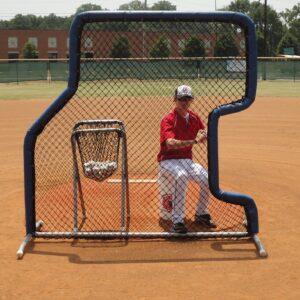
L-screens and protective equipment keep coaches safe during batting practice. These accessories complement your batting setup and need to meet the same durability standards as your other equipment.
Team benches and other facility equipment should follow the same buy-quality-once philosophy. We only stock equipment we’ve proven works reliably over many seasons of heavy use.
Making the Smart Investment Choice
The decision between standard batting mats and professional turf mats comes down to understanding total cost of ownership versus just looking at purchase price. Standard mats appear cheaper initially, but their short lifespan and poor performance make them more expensive over time.
Professional turf mats cost $319-$349 for a 6’x12′ mat compared to $120-$180 for standard mats. That $150-$200 price difference seems significant until you realize you’ll replace the standard mat 3-4 times before the pro mat needs replacement. Your actual cost difference is negative, you save money by buying the better mat.
More importantly, your players get consistent, high-quality training surfaces that don’t deteriorate mid-season. They develop proper mechanics on stable footing, they stay safer, and they don’t waste mental energy worrying about whether the mat will hold up under their cleats. That training quality improvement is hard to quantify financially but very real in terms of player development.
For coaches and facility managers, pro mats eliminate a constant maintenance headache. You’re not dealing with mat replacements multiple times per year. You’re not fielding complaints about worn-out surfaces. You’re not worrying about players getting injured on frayed edges or torn sections. That peace of mind and time savings has value beyond just the dollar cost comparison.
We stock professional-grade turf mats because we’ve seen what works and what doesn’t over two decades in this business. We’re ex-coaches and ex-players who understand what training facilities actually need. Whether you’re outfitting a new facility or upgrading existing equipment, we can help you make smart decisions that balance budget realities with long-term performance. Call us at 800-487-7432 (10 AM-7 PM EST) and let’s talk about what makes sense for your specific situation. We’re here to help you build training environments that work reliably season after season.