
TL;DR: The shortstop plays between second and third base and is considered the most demanding defensive position in baseball. A great shortstop needs quick reactions, a strong arm, sharp field awareness, and solid fundamentals in fielding, throwing, and communication. This guide covers every core skill, from ready position to double plays to backing up bases.
What Is Shortstop in Baseball?
The shortstop in baseball is the infield player positioned between second base and third base, responsible for fielding ground balls, catching pop flies, turning double plays, and covering bases across the widest and most active zone in the infield. The position is often called the most demanding defensive spot on the field because it requires quick reactions, a strong throwing arm, and constant field awareness on every pitch.
Where Is Shortstop in Baseball?
The shortstop lines up on the left side of the infield, in the gap between second base and third base, typically a few steps behind the baseline and shaded toward second base depending on the batter and game situation. This location puts the shortstop at the center of most defensive action, covering more ground than any other infielder. You can find a detailed breakdown of the position and its responsibilities in this complete shortstop guide.
What Makes the Shortstop Position So Important?
The shortstop position is the anchor of the infield defense because it covers the largest area of fair territory among all infield spots, demands elite athleticism, and requires the player to direct traffic for the entire team. No other position forces a player to field slow rollers in the hole, turn pivot plays at second, call off outfielders on pop flies, and back up multiple bases all in the same game.
| Attribute | Shortstop | Second Base | Third Base |
|---|---|---|---|
| Field territory covered | Largest in the infield | Right side of middle | Left corner only |
| Arm strength needed | Very strong | Moderate | Strong |
| Reaction speed required | Highest | High | High |
| Double play role | Feeds and receives | Receives pivot | Rarely involved |
| Pop fly priority | Goes back until called off | Calls off infielders | Limited range back |
What Does a Shortstop Do in Baseball?
A shortstop fields ground balls, catches pop flies, turns double plays, covers second base on steal attempts, backs up third base on catcher throws, and charges slow-hit balls past the pitcher. The shortstop is involved in more defensive plays per game than almost any other position and must be ready to throw to any base on any pitch.
- Anticipate every defensive play that could involve them and be ready to throw to the right base or home.
- Stay on top of the ball on most throws, planting feet and throwing overhand whenever possible.
- Hold runners close by understanding when to cover the bag.
- Charge the ball aggressively on topped or slow-hit balls past the pitcher.
- Cover second base when a bunt is on.
- Position themselves by shifting slightly toward their weaker side to improve fielding angles.
What Mental Skills Does a Shortstop Need?
A shortstop needs to be mentally two steps ahead on every pitch, anticipating where the ball will go and how to position for the best throw before contact is even made. This kind of field awareness, combined with perfect middle infield pivot skills, is what separates average infielders from elite ones.
Great shortstops do not just react. They read the batter, the count, the baserunners, and the pitcher before every pitch. That preparation cuts reaction time and reduces errors on difficult plays.
How Should a Shortstop Set Up Before the Pitch?
A shortstop should start every pitch in a balanced set position with feet spread slightly wider than shoulder-width, toes turned slightly outward, and weight on the balls of the feet with knees slightly bent. This stance is the foundation of all defensive movement.
- Spread feet slightly more than shoulder-width apart.
- Turn toes slightly outward to make lateral movement easier.
- Keep the left foot three to four inches in front of the right foot.
- Balance body weight on the balls of the feet with knees slightly bent.
- Keep the back straight, hands resting comfortably on the knees, and head up to scan the field.
What Is the Ready Position for a Shortstop?
The ready position for a shortstop is the split-second adjustment made as the pitcher begins the delivery, where the player moves hands to stomach level, shifts eyes into the strike zone, and loads weight forward onto the balls of the feet to explode in any direction at contact.
- Move hands from your knees to stomach level and slightly in front of your body.
- Focus your eyes into the strike zone and watch the ball all the way to contact.
- Mentally prepare for a line drive toward third base first, since that requires the quickest reaction.
- Keep your weight forward so you can move in any direction without wasted steps.
How Does a Shortstop Field Ground Balls?
A shortstop fields ground balls by moving directly toward the ball while staying low, keeping eyes locked on the ball until it enters the glove, and using the correct footwork for balls hit to either side before setting and throwing. Standing tall shifts weight to the heels and slows your reaction, so staying low throughout the approach is critical.
- Move straight toward the ball without straightening up.
- Stay low the entire time and keep your eyes on the ball until it rolls into your glove.
- For balls hit to your right, use the crossover step, then straighten up and make the throw.
- For balls hit to your left, use the crossover step, pivot on your left foot while keeping your body in front of the ball, then plant your right foot and throw.
Consistent repetition of these movements is the focus of essential shortstop fielding drills that build both range and accuracy over time.
How Does a Shortstop Handle Pop Flies?
The shortstop goes back on all pop flies until an outfielder calls them off, takes charge on balls hit behind the third baseman where they have a better angle, and uses a loud clear call to claim any ball they can make the best play on.
- Go back on every pop fly until an outfielder calls you off.
- Always pursue balls hit behind the third baseman since your angle is typically better.
- Call loudly and clearly when you have the best play on the ball.
Clear communication rules before the game prevent pop-fly confusion and dropped balls in the infield.
How Does a Shortstop Execute the Double Play?
A shortstop executes the double play by staying in their fielding position until the ball is actually hit, prioritizing the lead runner above all else, and clearing the bag quickly after the throw to avoid collisions with the charging runner. Rushing before contact is one of the most common double play mistakes.
- Do not leave your fielding position too soon. The ball may be hit directly at you.
- Do not assume every ball is a double play. Always get the lead runner first.
- On an unassisted putout, let your momentum carry you across the bag and clear of the runner.
- On pivot plays at second, clear the bag quickly after the throw.
What Backup Responsibilities Does a Shortstop Have?
A shortstop must cover second base on steal attempts when the second baseman is involved, back up third base on throws from the catcher, and be ready to back up throws from the catcher to the pitcher after a pitch. These unsung responsibilities prevent extra bases and keep runners from advancing on wild throws.
- Cover second base when the second baseman is handling a steal attempt.
- Back up third base on throws from the catcher.
- Be prepared to back up catcher throws to the pitcher after each pitch.
Shortstops who take these backup duties seriously improve the entire infield’s game by reducing errors that cost runs.
Quick Recap
- The shortstop plays between second and third base and covers the largest area of any infield position.
- The position requires quick reactions, a strong arm, and high baseball IQ.
- A solid set position and ready position are the starting point for every defensive play.
- Ground ball technique depends on the direction of the ball, with different footwork for left and right.
- The shortstop goes back on all pop flies unless called off by an outfielder.
- Double play execution starts with staying put until the ball is actually hit.
- Backup responsibilities on steals, catcher throws, and pitcher throws are just as important as highlight plays.
- Mental preparation before each pitch separates good shortstops from great ones.
Frequently Asked Questions
What does SS mean in baseball?
SS stands for shortstop, the infield position located between second base and third base. On a scorecard, the shortstop is assigned the number 6.
Is shortstop the hardest position in baseball?
Shortstop is widely considered the most demanding defensive position in baseball because it combines the widest fielding range in the infield with the need for a strong arm, fast reactions, and the ability to direct the entire infield defense.
What is short stop in beisbol?
In beisbol, short stop refers to the same position as in American baseball. The shortstop plays between segunda base and tercera base and handles the most fielding responsibilities of any infielder.
What skills does a shortstop need?
A shortstop needs quick lateral movement, a strong and accurate throwing arm, good hands for fielding ground balls and pop flies, the ability to turn double plays, and strong mental awareness of baserunners and game situations on every pitch.
Where does the shortstop throw the ball?
The shortstop throws to first base on most ground balls, to second base to start or complete double plays, to third base to cut down advancing runners, and occasionally home on plays at the plate. The throw destination depends on where the baserunners are and how many outs there are.
What is the shortstop’s role in a double play?
The shortstop either feeds the ball to the second baseman to start a double play or receives the feed at second base and throws to first to complete it. The shortstop must stay at their fielding position until the ball is hit and then move quickly to execute the play.
Does the shortstop cover second base on a steal?
Yes. The shortstop covers second base when the second baseman is positioned to handle the steal attempt. Clear pre-game communication between the two players determines which one covers the bag on each steal situation.
Build a Better Shortstop With Baseball Tips
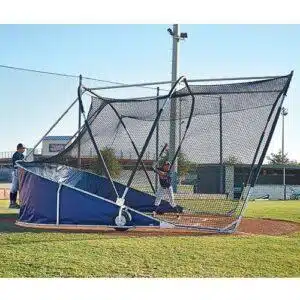
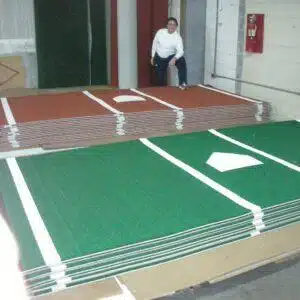
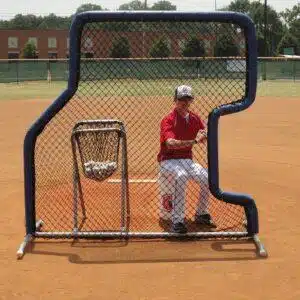
Mastering the shortstop position takes dedicated practice and the right training setup. At Baseball Tips, we have been helping coaches develop better infielders since 1999. Whether you need batting turtles, infield protective screens, hitting mats, or catch nets to sharpen your shortstop’s throwing accuracy, our equipment is field-tested by coaches and players who know what works.
Call us at 1-800-487-7432, Monday through Friday, 10am to 7pm EST, with any questions about the best training equipment for your program. Our team of former coaches and players can point you toward the right gear to develop your shortstop from the ground up. At Baseball Tips, we do not just sell equipment. We help build players and programs.